
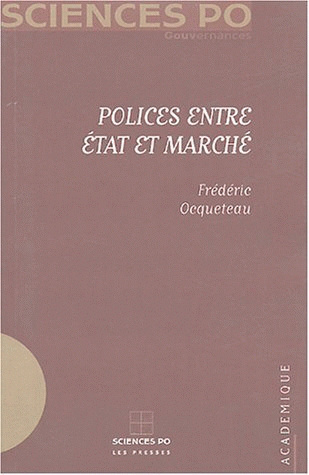
Polices entre État et marché
First Edition
This work analyzes the mechanisms of promotion and legalization of different segments of the market of protection, discusses the notion of "police privatization" and the causes of the “state monopoly"... Read More
Will security remain a public benefit for much longer? The role of States in guaranteeing protection of their citizens, wealth, and information no longer comes from the states themselves. The phenomenal expansion of the privatized protection services industry forces us to rethink the ends of filling in for this traditionally monopolized prerogative. At what point, and how exactly, will States accommodate this new benefit? On behalf of numerous empirical inquiries, this work analyzes the mechanisms of promotion and legalization of different segments of the market of protection, discusses the notion of "police privatization" and the causes of the “state monopoly.”
Click here to buy from these retailers:


Specifications
- Publisher
- Presses de Sciences Po
- Author
- Frédéric Ocqueteau,
- Collection
- Académique
- Language
- French
- Tags
- Publisher Category
- > Europe > European Politics
- Publisher Category
- > Political Science > Governance
- Publisher Category
- > Fields > Governance
- Publisher Category
- > International field
- Publisher Category
- > Politics
- Publisher Category
- > Society
- BISAC Subject Heading
- POL000000 POLITICAL SCIENCE
- Onix Audience Codes
- 06 Professional and scholarly
- CLIL (Version 2013-2019)
- 3283 SCIENCES POLITIQUES
- Title First Published
- 2004
- Subject Scheme Identifier Code
- Thema subject category: Politics and government
Paperback
- Publication Date
- 01 January 2004
- ISBN-13
- 978-2-7246-0943-1
- Extent
- Main content page count : 205
- Code
- 978-2-7246-0943-1
- Weight
- 430 grams
- List Price
- 20.50 €
- ONIX XML
- Version 2.1, Version 3
ePub
- Publication Date
- 01 January 2004
- ISBN-13
- 9782724681598
- Product Content
- Text (eye-readable)
- Extent
- Main content page count : 205
- Code
- 9782724681598
- Technical Protection ebook
- Adobe DRM
- ONIX XML
- Version 2.1, Version 3